

Where Should You Install an EV Charger at Home?
Where Should You Install an EV Charger at Home?
Installing an electric vehicle (EV) charger at home is one of the most convenient ways to keep your car powered and ready for the road. Instead of searching for public charging stations, you can simply plug in overnight and start each day with a full battery.
One of the first questions homeowners ask when planning an EV charger installation is:
“Where is the best place to install the charger at home?”
The ideal location depends on several factors, including convenience, electrical access, and your home’s existing electrical system. At Dan Home Electric, we help homeowners evaluate these factors to ensure their EV charger installation is safe, efficient, and built for long-term reliability.
Garage vs. Driveway EV Charger Installation
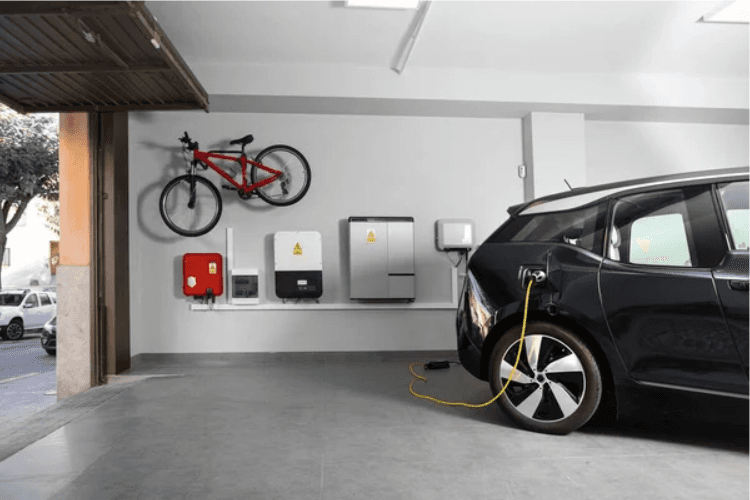
For many homeowners, the garage is the most convenient place to install an EV charger.
Garage Installation Benefits
Installing the charger inside the garage can provide several advantages:
Protection from weather and temperature extremes
Easier cable management and storage
Convenient overnight charging
Reduced wear on the charging equipment
However, not every home has garage parking. In these cases, outdoor installations near the driveway or parking area are often the best solution.
Driveway Installation Considerations
Outdoor charger installations may require:
Weather-rated EV charging equipment
Protective conduit for wiring
Proper mounting height and cable reach
Modern EV chargers are designed for outdoor use, but proper installation is important to ensure safety and durability.
Distance From Your Electrical Panel Matters
One of the most important factors in choosing a charger location is the distance from your electrical panel.
EV chargers typically require a dedicated 240-volt circuit, similar to the circuits used for electric dryers or ovens. The closer the charger is to the electrical panel, the easier and more cost-effective the installation can be.
When the charger must be installed farther away—such as in a detached garage or across the home—additional wiring and conduit may be required.
In some cases, electricians will also evaluate whether the electrical panel has enough capacity for the new EV charging circuit. If the existing panel is already near its limit, installing a charger may require a professional electrical panel upgrade to safely support the additional electrical demand.
Indoor vs. Outdoor EV Charger Installation
Both indoor and outdoor EV charger installations are common. The best option depends on how your home is designed and where you normally park your vehicle.
Indoor Charger Installation
Installing the charger inside the garage typically offers:
Greater protection from rain and snow
Longer lifespan for the charging equipment
Convenient access when plugging in
Outdoor Charger Installation
Outdoor installations are often necessary when:
The garage is used for storage rather than parking
The home does not have a garage
Vehicles are typically parked in the driveway
Outdoor EV chargers are designed to handle the elements, but they should be installed with proper weather-rated equipment and secure mounting.
Electrical Requirements for Home EV Chargers
Most homeowners choose to install a Level 2 EV charger, which charges much faster than a standard household outlet.
Level 2 chargers typically require:
A 40–50 amp breaker (depending on the charger model)
Proper grounding and wiring sized for the load
Because EV chargers draw power for extended periods of time, they place a continuous load on your home’s electrical system. This is why evaluating your electrical panel is an important step before installation.
If the panel does not have enough available capacity, you can find out how to check here. In many cases, upgrading the panel may be recommended to safely support the charger and other electrical demands in the home.
Many homeowners installing EV chargers also consider backup power options such as a home generator installation to keep their systems running during outages
Planning for Future Electric Vehicles
Many households that install one EV charger eventually add another electric vehicle in the future.
Planning ahead can make it easier to expand your charging setup later.
Some homeowners choose to:
Install wiring for two future chargers
Upgrade their electrical panel for additional capacity
Install chargers capable of higher charging speeds
Thinking ahead during the installation process can save time and money if your household adopts additional electric vehicles in the coming years.
Homes That Often Need Panel Upgrades for EV Chargers
Certain homes are more likely to require an electrical panel upgrade before installing an EV charger.
This is especially common in homes that have:
100-amp electrical service
Electrical panels that are already full with no breaker space
Older electrical systems installed decades ago
Fuse boxes instead of modern breaker panels
Multiple high-power appliances such as electric ranges, dryers, or heat pumps
If your electrical panel is already operating near its capacity, adding an EV charger could overload the system. In these situations, electricians may recommend a upgrading to a 200-amp electrical panel (also known as a 'heavy up') which provides more capacity for EV charging and future electrical needs.
Why a Professional Evaluation Is Important
While homeowners can consider location and convenience, determining whether the electrical system is ready for an EV charger requires a professional evaluation.
A licensed electrician can:
Inspect the electrical panel
Perform a load calculation to determine system capacity
Identify the safest location for the charger
Install the required circuit and equipment to code
At Dan Home Electric, we take pride in helping homeowners safely upgrade their electrical systems. As a family-owned company, we focus on honest recommendations, quality workmanship, and solutions that support your home’s long-term electrical needs.
Learn More About Electrical Panel Upgrades
If you are planning to install an EV charger, it’s important to ensure your home’s electrical system has the capacity to support it.
You can learn more about our electrical panel upgrade and replacement services and how we help homeowners safely modernize their electrical systems.
If you have questions about EV charger installation or your electrical panel’s capacity, our team is always happy to help. Contact us any time.