

How to Tell if Your Electrical Panel Is Ready for an EV Charger
How to Tell if Your Electrical Panel Is Ready for an EV Charger
As more homeowners switch to electric vehicles, installing a home EV charger is becoming increasingly common. Charging at home is convenient, faster than standard outlets, and allows you to start each day with a full battery.
However, before installing a Level 2 EV charger, it’s important to make sure your home’s electrical panel is ready to handle the additional power demand.
Many homes—especially older ones—were not designed with electric vehicle charging in mind. A quick evaluation of your electrical panel can help determine whether your system is ready for an EV charger or if an upgrade may be needed.
At Dan Home Electric, we often help homeowners evaluate their electrical systems so they can safely add EV charging at home.
Why EV Chargers Require More Electrical Capacity
Most homeowners install a Level 2 EV charger, which runs on a 240-volt circuit similar to an electric dryer or oven.
Depending on the charger model, this typically requires:
A dedicated 40–50 amp circuit
A double-pole breaker
Sufficient electrical capacity within the panel
Because EV chargers run for several hours at a time, they place a continuous load on the electrical system. If your panel is already near its limit, adding a charger without upgrading the system could overload the panel.
Step 1: Check the Size of Your Electrical Service
One of the first things electricians look at is the overall capacity of your electrical service.
Many older homes were built with 100-amp electrical service, which was adequate decades ago but can be limiting today.
Modern homes often benefit from 200-amp service, which provides more capacity for high-power appliances like:
EV chargers
Heat pumps
Induction ranges
Electric water heaters
Home additions and renovations
If your home still has a 100-amp panel, installing an EV charger may require upgrading the panel to safely handle the additional demand.
Many homeowners installing EV chargers also consider backup power options such as a home generator installation to keep their systems running during outages
Step 2: Look for Available Breaker Space
EV chargers require a dedicated circuit, which means your panel needs room for a new breaker.
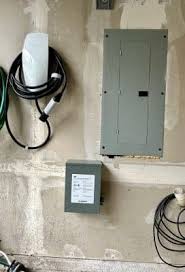
Open your electrical panel and check:
Are there unused breaker slots available?
Is the panel already completely full?
If your panel has no available space, an electrician may need to install a larger panel before adding the EV charger circuit.
Step 3: Consider the Age of the Electrical Panel
Electrical panels typically last 25 to 40 years, depending on the model and operating conditions.
If your panel is older, you may notice signs such as:
Breakers that trip frequently
Panels that feel warm to the touch
Flickering or dimming lights
Outdated fuse boxes instead of breakers
Older panels were not designed for the electrical demands of modern homes and may not be the best foundation for adding new high-load circuits.
Step 4: Think About Your Home’s Total Electrical Usage
Even if your panel technically has space for a new breaker, your overall electrical demand matters.
Electricians perform a load calculation to determine whether your home’s system can safely support an EV charger.
This calculation considers appliances such as:
HVAC systems
Electric dryers
Electric water heaters
Kitchen appliances
Home workshops or equipment
If your home already uses most of its available electrical capacity, a panel upgrade or service upgrade may be recommended.
Step 5: Plan for Future Electrical Needs
Many homeowners installing an EV charger are also considering future electrical upgrades.
For example:
Adding a second electric vehicle
Installing solar panels
Upgrading HVAC systems
Adding home offices or workshops
Upgrading your electrical panel at the same time as installing an EV charger can help ensure your home is ready for future technology.
When an Electrical Panel Upgrade Is Recommended
If your existing panel cannot safely support an EV charger, upgrading the panel may be the safest solution.
A panel upgrade typically involves:
Installing a new electrical panel with more capacity
Increasing service from 100 amps to 200 amps
Updating wiring and grounding where necessary
Ensuring the system meets modern electrical codes
Once completed, your home will have the capacity needed for EV charging and other future electrical upgrades. Find out more about Service Panel Heavy Ups.
Professional Evaluation Helps Ensure Safety
While homeowners can check some basic indicators, the safest way to determine if your electrical panel is ready for an EV charger is to have a licensed electrician evaluate the system.
At Dan Home Electric, we help homeowners by:
inspecting electrical panels
performing load calculations
recommending upgrades when needed
As a family-owned electrical company, we focus on honest guidance and safe, code-compliant work so homeowners can confidently upgrade their electrical systems.
Learn More About Electrical Panel Upgrades
If you're planning to install an EV charger and want to make sure your electrical system is ready, it’s important to understand your panel’s capacity and limitations.
You can learn more about our electrical panel upgrade and replacement services and how we help homeowners modernize their electrical systems safely.
If you have questions about your electrical panel or EV charger installation, our team is always happy to help.