
Thank you Northern Virginia for the perfect 5/5 Google Rating (Mar 2026)

Home Generator Installation for Reliable Backup Power
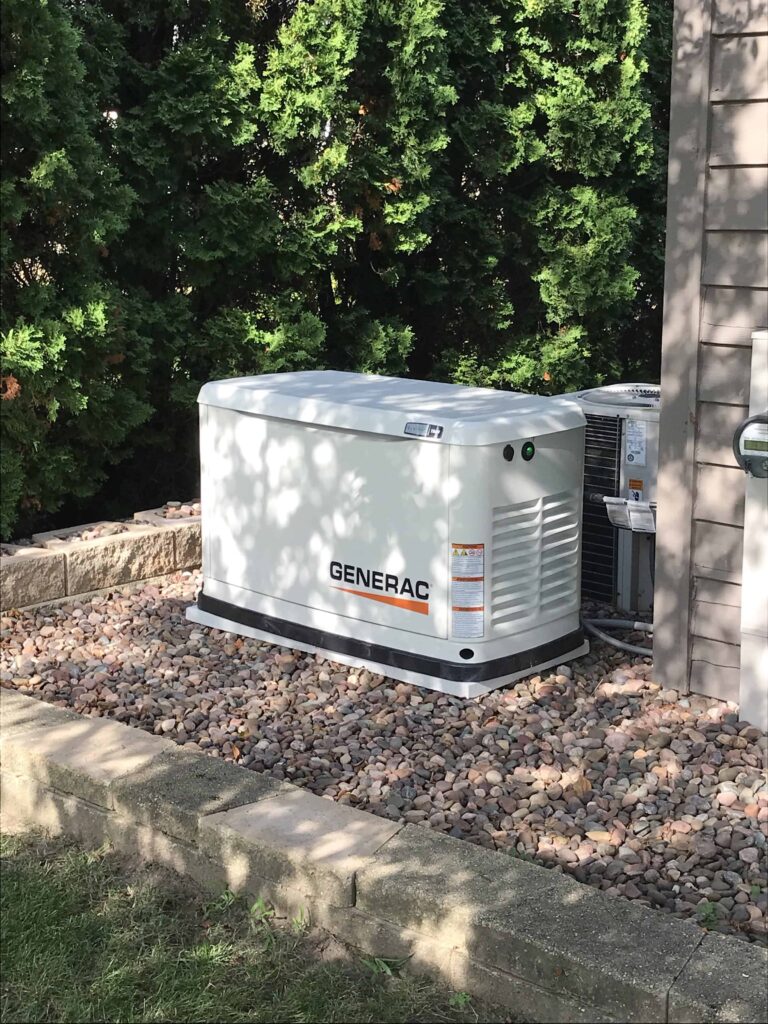
Home Generator Installation for Reliable Backup Power. A whole-home generator (also known as a standby generator) is an appliance that supplies backup electricity in the event of a power outage. They can be a convenient and even life-saving investment for your home. Home generator installation involves placing a unit outside, connecting it to a fuel source (natural gas/propane), and linking it to a transfer switch.
Need help with troubleshooting, inspection, electrical repair or installation? Other questions? Send us a message
Home Generator Installation for Reliable Backup Power
Power outages can happen unexpectedly—from severe storms to utility issues—and when they do, having a reliable backup power source can make all the difference for your home and family.
At Dan Home Electric, we provide professional home generator installation to help homeowners maintain power during outages. As a family-owned electrical company, we focus on safe, code-compliant installations that give homeowners peace of mind when the power goes out.
Whether you're installing a portable generator connection or a whole-home backup generator, our electricians can help design a system that safely powers the circuits that matter most.
Why Homeowners Install Backup Generators
A home generator provides electricity when utility power is unavailable, helping keep essential systems running.
Many homeowners install generators to keep power available for:
Refrigerators and freezers
Heating and air conditioning systems
Sump pumps and well pumps
Medical equipment
Lighting and outlets
Internet and home office equipment
Backup generators help reduce disruption and provide peace of mind during extended power outages.
Many homeowners planning upgrades also explore broader electrical upgrades for modern homes to prepare for future electrical needs.
Safe Generator Installations Require a Transfer Switch
One of the most important components of a generator system is the transfer switch.
A transfer switch safely connects the generator to your home’s electrical system and prevents electricity from flowing back into utility lines. This safety feature protects utility workers and ensures your generator powers the correct circuits in your home.
Professional generator installations typically include:
Installation of a manual or automatic transfer switch
Dedicated generator inlet connections
Proper circuit integration within the electrical panel
Code-compliant wiring and grounding
Installing a generator without a transfer switch can be dangerous and is not permitted by electrical codes. A properly installed transfer switch ensures the generator operates safely and efficiently during an outage.
Portable Generator Connection Installation
Many homeowners choose portable generators as an affordable backup power option.
Instead of running extension cords through the home, electricians can install a generator inlet and transfer switch, allowing you to safely connect the generator directly to your electrical system.
This setup allows homeowners to power essential circuits such as:
refrigerators
lighting
furnace systems
sump pumps
internet and communication equipment
A professionally installed generator connection makes portable generators safer and far more convenient to use during an outage.
Whole-Home Standby Generator Installation
For homeowners who want uninterrupted power, a standby generator system can automatically restore electricity when the utility power goes out.
Standby generators typically:
run on natural gas or propane
automatically start during an outage
power most or all of the home’s electrical system
shut off automatically when utility power returns
These systems work together with an automatic transfer switch that seamlessly transfers power from the utility to the generator when needed.
Choosing the Right Generator for Your Home
Selecting the right generator depends on several factors, including:
the size of the home
the electrical loads you want to power
whether you prefer portable or standby generators
available fuel sources such as natural gas or propane
Our electricians help homeowners determine the best generator setup based on their electrical needs and budget.
Electrical Panel Considerations for Generator Installation
In some homes, installing a generator may also require electrical panel modifications or upgrades.
For example, electricians may need to:
install a transfer switch connected to the panel
add dedicated circuits
reorganize essential circuits within the panel
upgrade the panel if additional capacity is needed
Evaluating the electrical panel ensures the generator system integrates safely with your home’s electrical system.
Our Generator Installation Services
Standby Generator Installation
Trusted Local Electricians for Generator Installation
At Dan Home Electric, we take pride in helping homeowners protect their homes from unexpected power outages. As a family-owned electrical company, we believe in honest recommendations, quality workmanship, and safe electrical installations.
Homeowners choose our team because we offer:
licensed and insured electricians
code-compliant generator installations
safe transfer switch installation
clear communication and dependable service
Our goal is to provide generator solutions that keep your home powered safely when you need it most.
Schedule a Home Generator Installation Estimate
If you're considering installing a home backup generator, our team can help you determine the best solution for your home and electrical system.
Contact Dan Home Electric today to schedule an estimate for home generator installation and transfer switch installation, and ensure your home is prepared for the next power outage.
Home Generator Installation for Reliable Backup Power
Power outages can happen unexpectedly—from severe storms to utility issues—and when they do, having a reliable backup power source can make all the difference for your home and family.
At Dan Home Electric, we provide professional home generator installation to help homeowners maintain power during outages. As a family-owned electrical company, we focus on safe, code-compliant installations that give homeowners peace of mind when the power goes out.
Whether you're installing a portable generator connection or a whole-home backup generator, our electricians can help design a system that safely powers the circuits that matter most.
Why Homeowners Install Backup Generators
A home generator provides electricity when utility power is unavailable, helping keep essential systems running.
Many homeowners install generators to keep power available for:
Refrigerators and freezers
Heating and air conditioning systems
Sump pumps and well pumps
Medical equipment
Lighting and outlets
Internet and home office equipment
Backup generators help reduce disruption and provide peace of mind during extended power outages.
Many homeowners planning upgrades also explore broader electrical upgrades for modern homes to prepare for future electrical needs.
Safe Generator Installations Require a Transfer Switch
One of the most important components of a generator system is the transfer switch.
A transfer switch safely connects the generator to your home’s electrical system and prevents electricity from flowing back into utility lines. This safety feature protects utility workers and ensures your generator powers the correct circuits in your home.
Professional generator installations typically include:
Installation of a manual or automatic transfer switch
Dedicated generator inlet connections
Proper circuit integration within the electrical panel
Code-compliant wiring and grounding
Installing a generator without a transfer switch can be dangerous and is not permitted by electrical codes. A properly installed transfer switch ensures the generator operates safely and efficiently during an outage.
Portable Generator Connection Installation
Many homeowners choose portable generators as an affordable backup power option.
Instead of running extension cords through the home, electricians can install a generator inlet and transfer switch, allowing you to safely connect the generator directly to your electrical system.
This setup allows homeowners to power essential circuits such as:
refrigerators
lighting
furnace systems
sump pumps
internet and communication equipment
A professionally installed generator connection makes portable generators safer and far more convenient to use during an outage.
Whole-Home Standby Generator Installation
For homeowners who want uninterrupted power, a standby generator system can automatically restore electricity when the utility power goes out.
Standby generators typically:
run on natural gas or propane
automatically start during an outage
power most or all of the home’s electrical system
shut off automatically when utility power returns
These systems work together with an automatic transfer switch that seamlessly transfers power from the utility to the generator when needed.
Choosing the Right Generator for Your Home
Selecting the right generator depends on several factors, including:
the size of the home
the electrical loads you want to power
whether you prefer portable or standby generators
available fuel sources such as natural gas or propane
Our electricians help homeowners determine the best generator setup based on their electrical needs and budget.
Electrical Panel Considerations for Generator Installation
In some homes, installing a generator may also require electrical panel modifications or upgrades.
For example, electricians may need to:
install a transfer switch connected to the panel
add dedicated circuits
reorganize essential circuits within the panel
upgrade the panel if additional capacity is needed
Evaluating the electrical panel ensures the generator system integrates safely with your home’s electrical system.
Our Generator Installation Services
Standby Generator Installation
Trusted Local Electricians for Generator Installation
At Dan Home Electric, we take pride in helping homeowners protect their homes from unexpected power outages. As a family-owned electrical company, we believe in honest recommendations, quality workmanship, and safe electrical installations.
Homeowners choose our team because we offer:
licensed and insured electricians
code-compliant generator installations
safe transfer switch installation
clear communication and dependable service
Our goal is to provide generator solutions that keep your home powered safely when you need it most.
Schedule a Home Generator Installation Estimate
If you're considering installing a home backup generator, our team can help you determine the best solution for your home and electrical system.
Contact Dan Home Electric today to schedule an estimate for home generator installation and transfer switch installation, and ensure your home is prepared for the next power outage.